
 Introduction
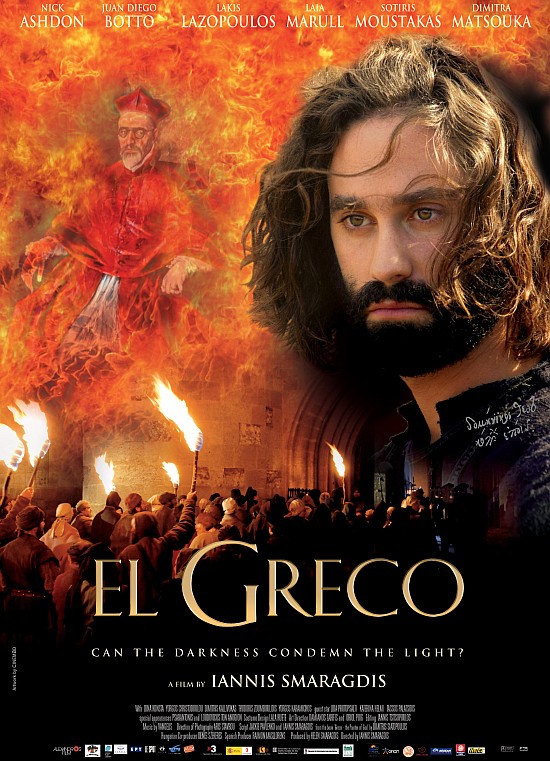
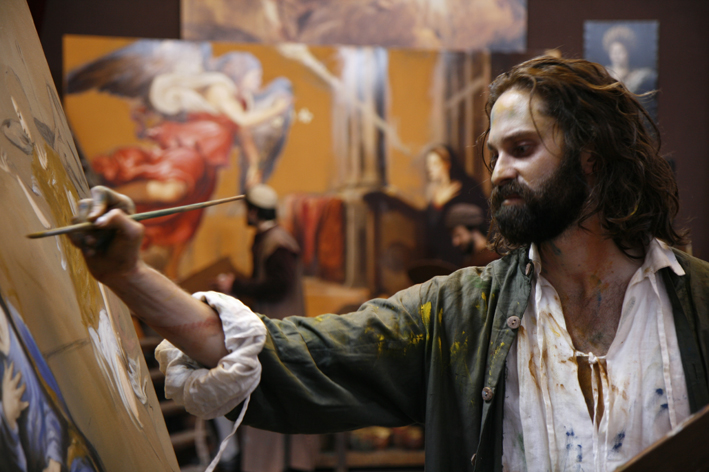
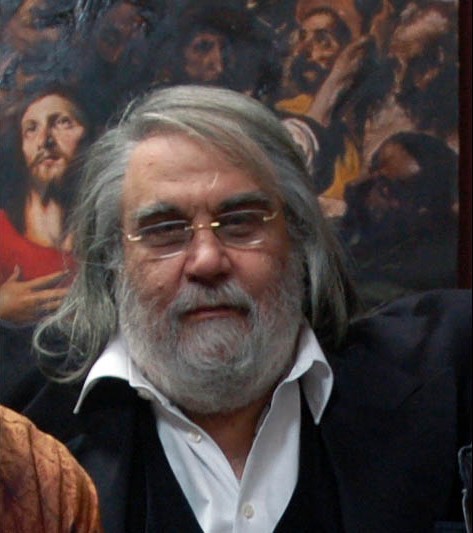
“El Greco” is a Greek-Spanish biographical drama directed by Yannis Smaragdis about the life of the Greek painter Domenicos Theotokopoulos (1541-1614), also known as ‘El Greco’. Having worked with Smaragdis before on the film “Kavafis” (1996), Vangelis composed an original score, which unlike Kavafis was also released on a soundtrack album. According to Smaragdis the idea for the film came from Vangelis, who in 1995 had donated music inspired by the paintings of El Greco, released as "Foros Timis Ston Greko" to raise funds for the purchase of Theotokopoulos' painting 'Saint Peter' by the National Gallery (Alexandros Soutzos Museum) in Athens.
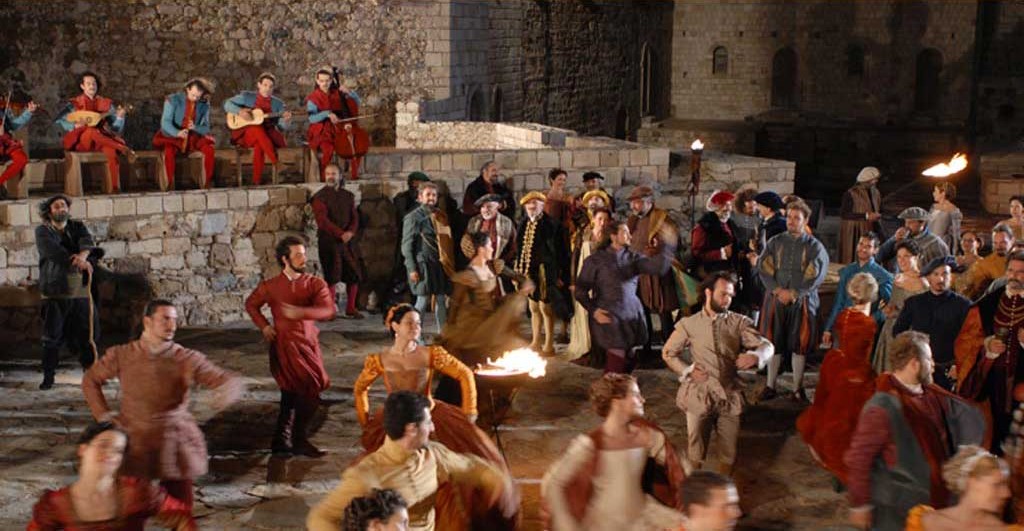
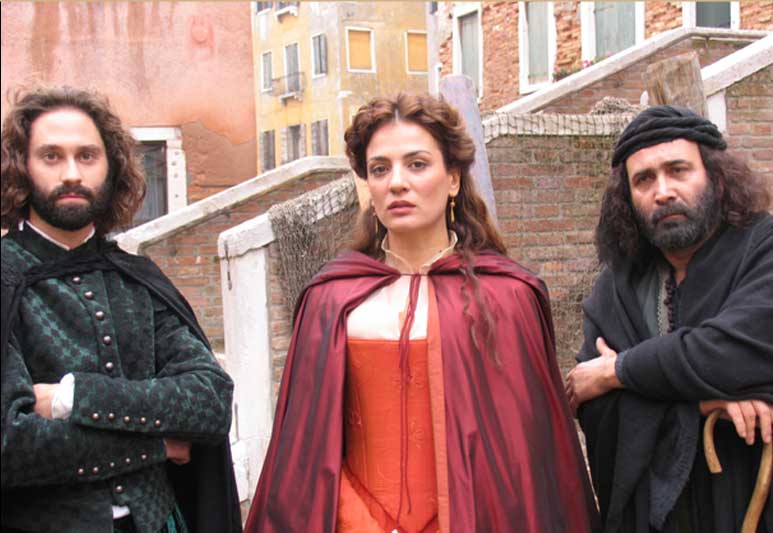
The screenplay of El Greco is based on the fictionalised biographical novel “El Greco: The Painter Of God” by Dimitris Siatopoulos. Filming took place in Greece (Crete, Rhodes and Athens), Spain (Toledo, Tarragona and Barcelona) and Italy (Venice). Starring Nick Ashdon as El Greco and Juan Diego Botto, Laia Marull and Dimitra Matsouka, “El Greco” officially premiered for invited guests at the Pallas theatre in Athens on the 15th of October 2007 in the presence of Vangelis and Queen Sofia of Spain. In Greece cinemas opened for the general public on the 18th of October 2007, where the film was an unprecedented success attracting over 1.2 million visitors. It also played for some time in Spain, while throughout 2008 Smaragdis took the film around the world for screenings at film festivals.
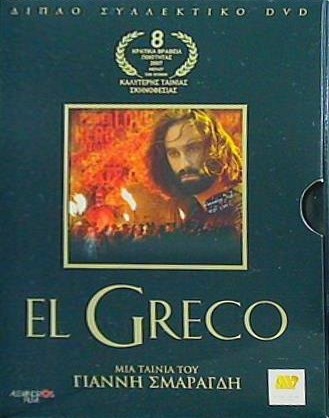
A home video release followed in April 2008 on DVD in Greece. This release is recommended as it is the only version with the original (mostly English) audio. Unfortunately it is a bit shorter than the theatrical version and only features Greek subtitles. In Spain the film was also released on DVD and Blu-ray, but be aware that these are dubbed in Spanish and do not include any subtitles.
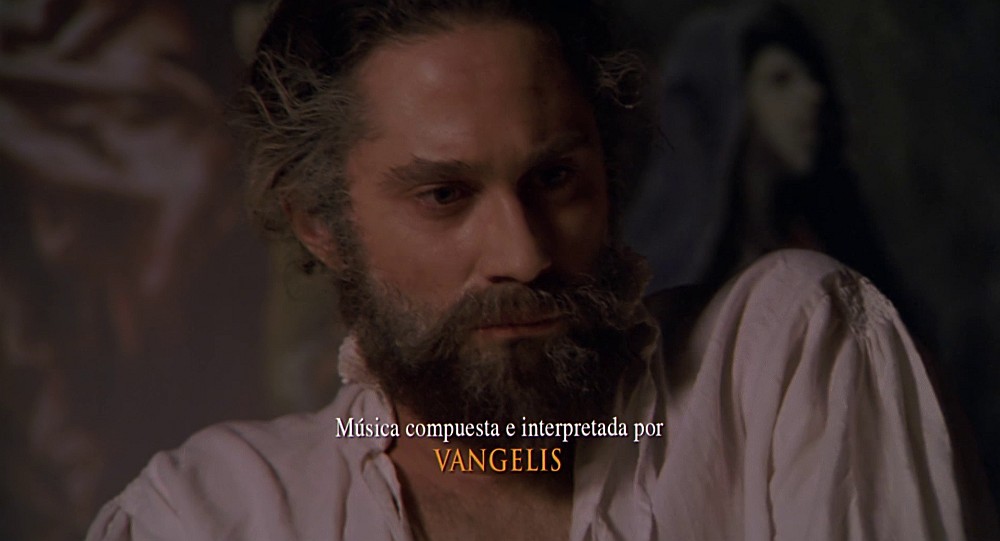
Vangelis’ music is heard almost throughout in the film, and while the official soundtrack album is a decent representation of the film score (containing all of the important themes), the film has more but mostly incidental music compared to the album.
“El Greco” won 8 awards at the 48th Thessaloniki Film Festival in Greece, including best film and best music.
 Details and credits
- Title: El Greco
- Year: 2007
- Country: Greece
- Length: 119 minutes
- Directed by Yannis Smaragdis.
- Script by Jackie Pavlenko and Yannis Smaragdis.
- Original Story by: Dimitris Nollas, Yannis Smaragdis and Panayotis Paschidis.
- Based on the novel “El Greco: The Painter Of God” by Dimitris Siatopoulos.
- Music by Vangelis.
- Assistant music producer: Frederick Rousseau
- Director of photography: Aris Stavrou
- Sound: Marinos Athanasopoulos
- Art direction: Damianos Zarifis and Oriol Puig.
- Costume design: Lala Huete.
- Edited by Yannis Tsitsopoulos.
- Produced by Helen Smaragdis, Raimon Masllorens and Dénes Szekeres
- Production: Alexandros Film, La Productora S.A., NOVA and Tivoli Film Productions
 Cast
Cast
- Nick Ashdon - El Greco
- Juan Diego Botto - Fernando Niño de Guevara
- Laia Marull - Jerónima de las Cuevas
- Lakis Lazopoulos - Nicolos
- Dimitra Matsouka - Francesca
- Sotiris Moustakas - Titian
- Dina Konsta - Maiden
- Giorgos Christodoulou – Duke Da Rimi
- Dimitris Kallivokas - Chacon
- Giorgos Charalampidis - El Greco’s father
- Theo Zoumpoulidis - Manousos
- Lida Protopsalti - Carcadil's wife
- Katerina Helmi - Spanish noble woman
- Fermí Reixac - Don Miguel de las Cuevas
- Roger Coma - Padre Paravicinio
- Loudovikos Ton Anogion - Troubadour
- Psarantonis – Cretan lyrist
Media
Blu-ray
- 2014 BR0178 Vertice Spain (117 minutes. Dubbed in Spanish, no original English narration or English subtitles)
DVD
- 2008 Audio Visual Entertainment ST 00095 Greece (2 DVD with Greek subtitles only. 112 minutes. Includes bonus video material of the Thessaloniki Film Festival, the premiere in Athens, Greek TV news coverage and interviews and a Making Of documentary)
- 2009 Manga Films D2747 Spain (117 minutes. Dubbed in Spanish, no original English narration or English subtitles)
Synopsis
T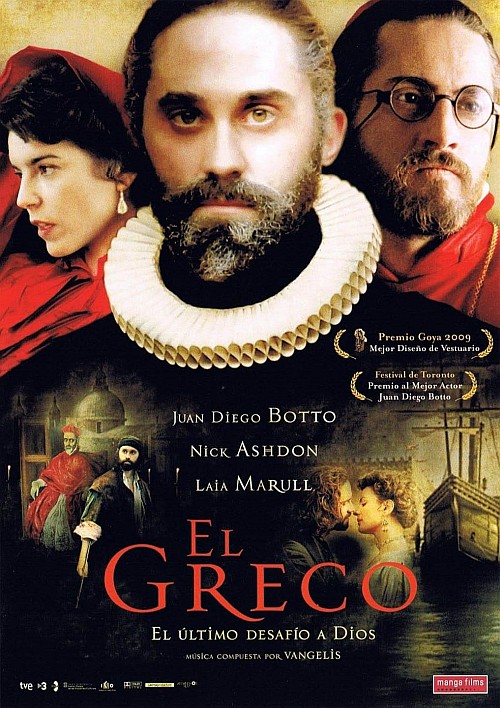 he movie opens in media res inside a dark prison cell in Toledo, Spain, during the late 16th century. Doménikos Theotokópoulos, now an acclaimed but controversial master painter known as "El Greco," has been arrested by the Holy Inquisition. He is accused of heresy because his paintings depict religious figures with unnaturally elongated bodies and haunting, otherworldly light. To the fanatical church authorities, his art distorts the divine truth. While awaiting his trial and potential execution at the stake, El Greco begins writing his memoirs, taking the audience back to the beginning of his journey.
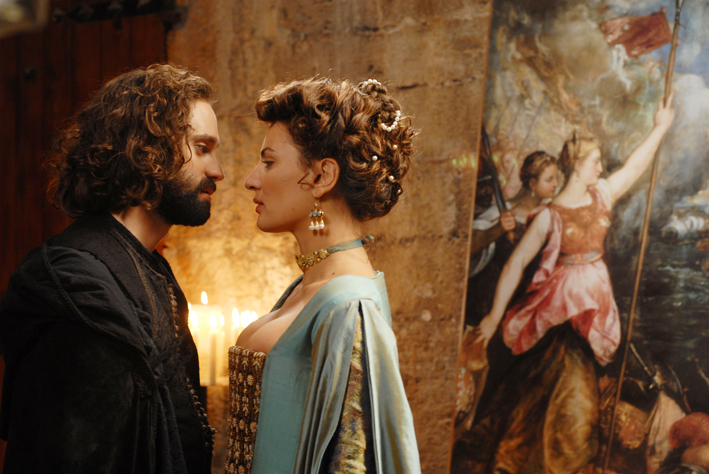
The story shifts to his youth on the island of Crete, then ruled by the Republic of Venice. Doménikos is a passionate, defiant young icon painter and a freedom fighter against Venetian occupation. He falls deeply in love with Francesca, the daughter of the Venetian governor of Crete. However, their love is forbidden due to their differing social statuses and political allegiances. Recognizing Doménikos’s extraordinary talent and wishing to protect him from political turmoil, his father and friends urge him to leave the island to pursue his art.
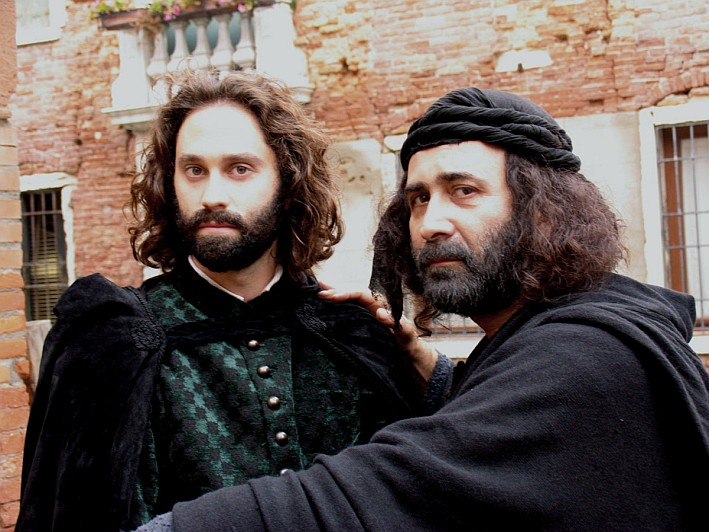
Doménikos travels to Venice, the artistic capital of the Western world. He secures a place in the studio of the aging master Titian. In Venice, Doménikos absorbs the Renaissance techniques of light, color, and perspective. Despite his growing success and the adoption of Western styles, he feels restricted by the rigid materialism of Italian art. He refuses to just copy nature; he wants to paint the soul. During this time, he forms a deep, complex friendship with Fernando Niño de Guevara, a brilliant, young Spanish priest who is fascinated by Doménikos’s intense personality and visionary art.
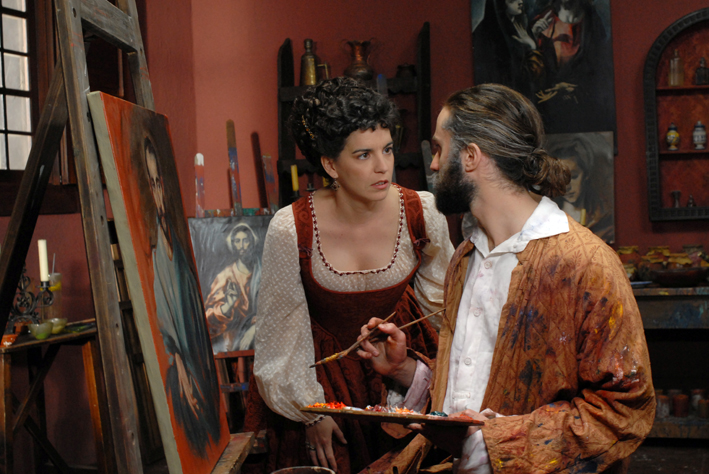
Seeking greater artistic freedom and royal patronage, Doménikos moves to Spain eventually settling in Toledo. Here, he transforms into "El Greco" (The Greek). He finds his true artistic voice, blending his Byzantine roots with Spanish mysticism. He also finds stability and deep love with a Spanish noblewoman, Jerónima de las Cuevas, who becomes his muse and the mother of his son, Jorge Manuel. El Greco's workshop flourishes, and he receives major commissions from churches and monasteries, painting masterpieces filled with ecstatic spirituality and dramatic lighting.
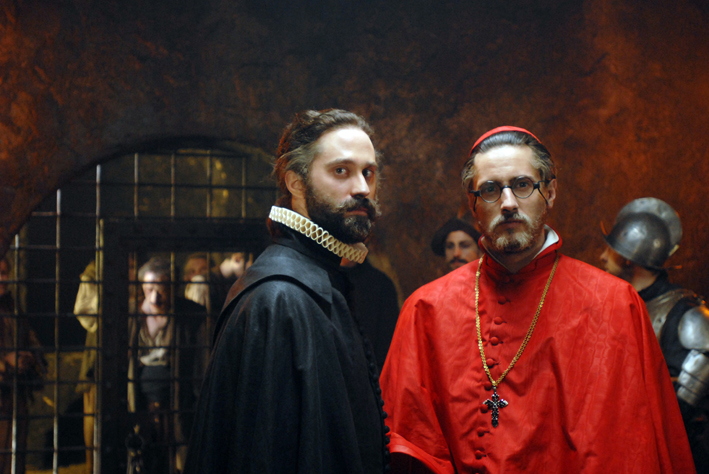
The climax of the film centers on the return of Fernando Niño de Guevara, who has risen to become the terrifying Grand Inquisitor of Spain. Fernando is a man torn between his genuine, almost obsessive admiration for El Greco’s genius and his fanatical duty to the Catholic Church. He views El Greco's unconventional art as dangerous. The friendship curdles into a psychological duel.
During the trial, the Inquisition demands that El Greco confess his theological errors and alter his paintings to conform to church dogma. El Greco defiantly refuses to compromise his artistic vision, stating that his light comes directly from God, not from the rules of men. His unwavering courage, supported by the love of Jerónima and the loyalty of his Cretan companion Manousos, turns the trial into a powerful defense of human expression. In the end, El Greco's spiritual integrity triumphs over the darkness of his persecutors, cementing his legacy as a timeless symbol of artistic freedom.
Links
- Vangeliscollector.com
- IMDB.com
- Wikipedia.org
- Film trailer
- The Long Journey Of The Film “El Greco”
- Alexandros Film
Gallery
 |
 |
 |
 |
 |
 |
 |
 |
 |
 |
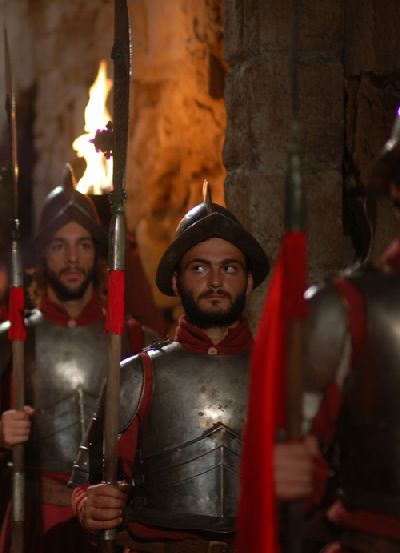 |
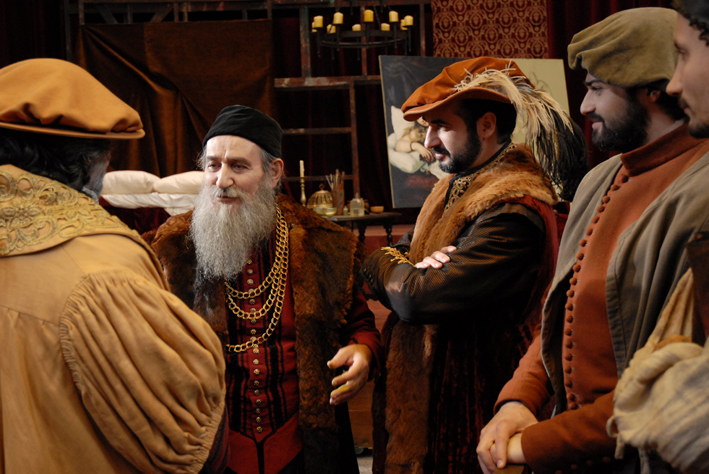
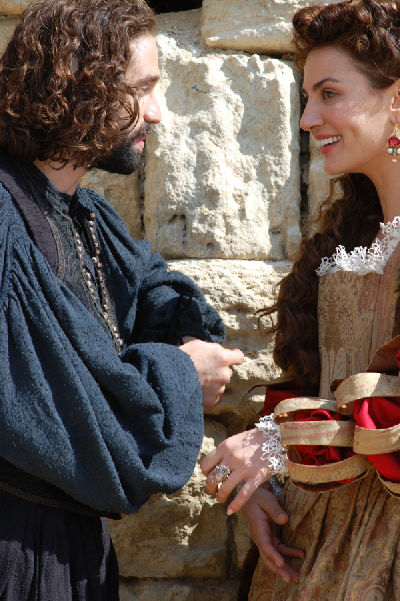
Photos by Maria Moschou. Thanks to Nikos Tsepetis and Alexandros Films.