
 Introduction
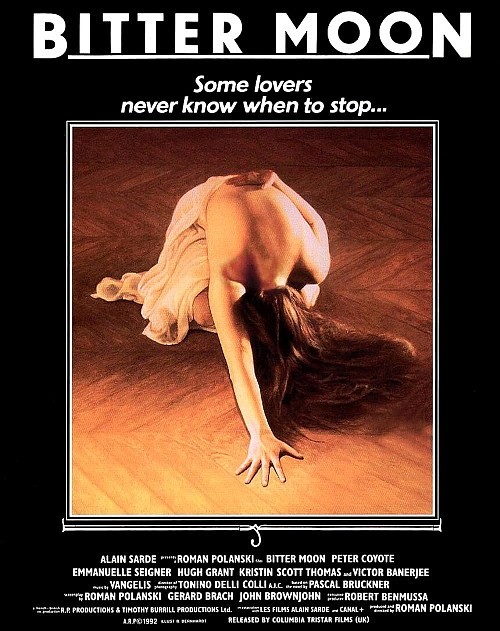
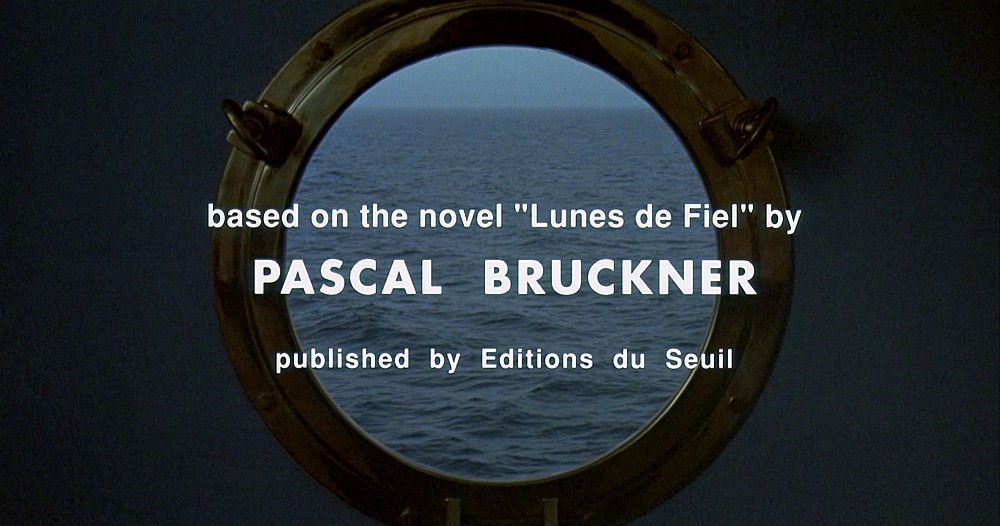
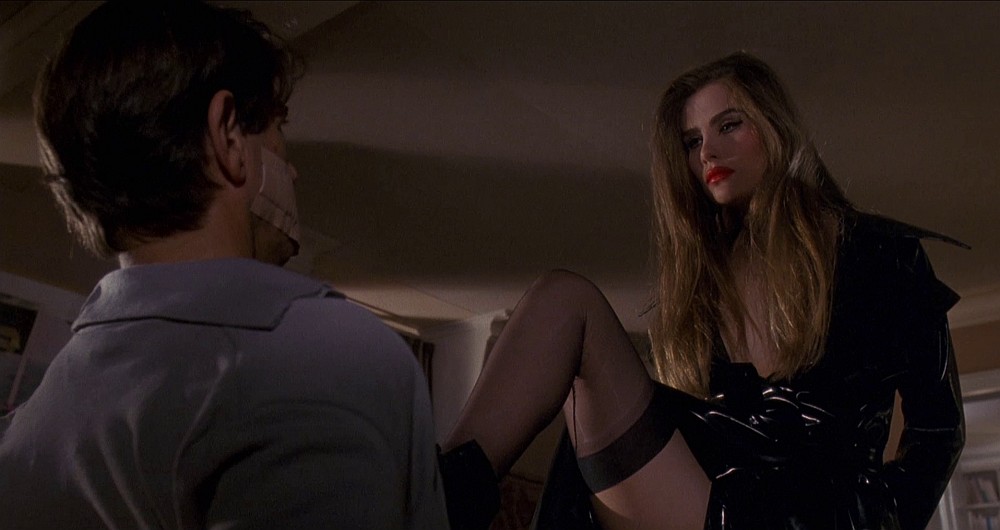
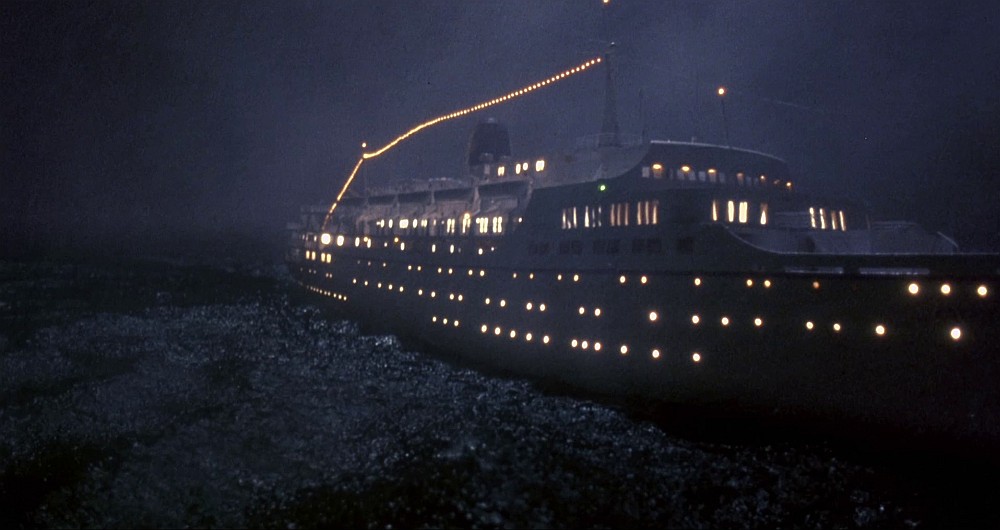
“Bitter Moon” is a psychological drama directed by Roman Polanski for which Vangelis composed an original score. Starring Hugh Grant, Emmanuelle Seigner, Peter Coyote and Kristin Scott Thomas, the film tells the fateful story of a couple’s destructive relationship against the backdrop of a luxury cruise in the Mediterranean. The film, which screenplay is based on the 1981 novel “Lunes De Fiel” by Pascal Bruckner, was released in cinemas on the 23rd of September 1992. Initially “Bitter Moon” received mixed reviews from critics due to explicit content and the portrayal of emotional and physical cruelty, but since its release on home video the film gained appreciation amongst admirers of Polanski’s work.
The couple Roman Polanski and Emmanuelle Seigner were personal friends of Vangelis, and shorly after Vangelis accepted Polanski’s request to score “Bitter Moon” he was also offered the score for “1492 Conquest Of Paradise” (1992) by Ridley Scott, so he worked on both projects around the same time.
Unfortunately the music Vangelis composed for “Bitter Moon” was never officially released, except for ‘The Theme Of Bitter Moon’ on the “Reprise 1990-1999” (1999) compilation album, which actually is a newly arranged version of the opening titles of the film. Vangelis composed beautiful piano themes for the opening and closing titles of the film, whereas the rest of the score is a mixture of French-themed, jazzy, suspense and romantic music.
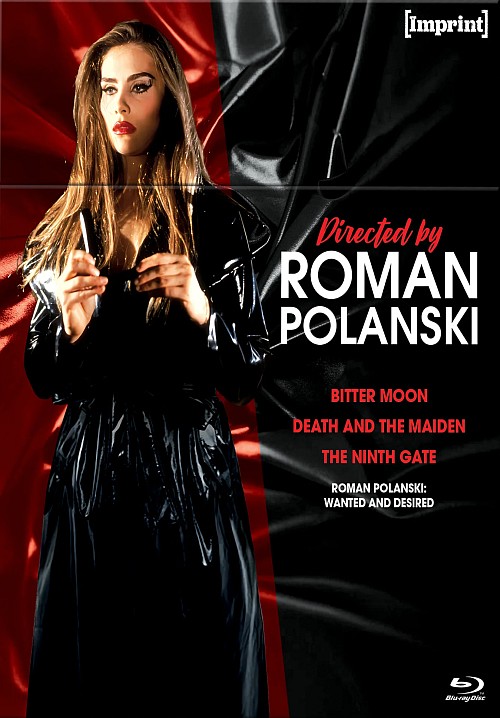
After its theatrical release “Bitter Moon” was widely made available on home video formats, and if in need of a copy of the film any of the blu-ray discs would be recommended, except for the 2019 North American release which has an incorrect pitch. For English subtitles the release by Imprint would be recommended.
 Details and credits
- Title: Bitter Moon
- Year: 1992
- Country: France and UK.
- Length: 139 minutes
- Directed by Roman Polanski.
- Screenplay: Gérard Brach, John Brownjohn, Jeff Gross and Roman Polanski.
- Music composed and performed by Vangelis.
- Recorded and mixed at Epsilon Laboratories in Paris by Frederick Rousseau and Philippe Colonna.
- Vocals by Sapho.
- Production design: Willy Holt and Gérard Viard.
- Costumes: Jackie Budin
- Cinematography: Tonino Delli Colli
- Choreography: Rédha Benteifour
- Editing: Hervé de Luze
- Produced by Roman Polanski, Alain Sarde and Timothy Burrill.
 Cast
Cast
- Hugh Grant: Nigel Dobson
- Kristin Scott Thomas: Fiona Dobson
- Emmanuelle Seigner: Micheline Bouvier (Mimi)
- Peter Coyote: Oscar Benton
- Luca Vellani: Dado
- Victor Banerjee: Mr. Singh
- Sophie Patel: Amrita Singh
- Stockard Channing: Beverly (uncredited)
- Patrick Albenque: The Steward
- Claude Bonnet: The Mayor
- Nathalie Galan: The girl in the shop
- Jean-Yves Chalangeas: The butler
 Media
Media
Blu-ray
- 2011 IVC Japan
- 2014 Pulp Video Italy
- 2015 Feel Films Spain
- 2018 Studio Canal Germany
- 2019 Kino Lorber US/Canada (includes English subtitles)
- 2024 Imprint Australia/US (as part of a boxset together with “Death And The Maiden” and “The Ninth Gate”) (includes English subtitles)
- 2024 Versátil Home Video Brazil (as part of boxset Polanski Essencial)
DVD
- 2000s, released worldwide.
Earlier the film has also been published on VHS, Laser Disc and Video CD.
 Synopsis
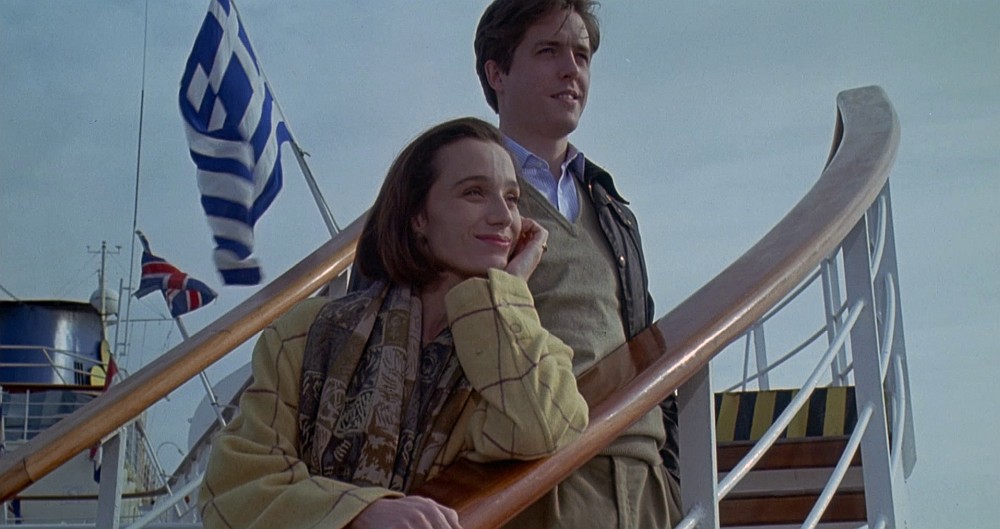
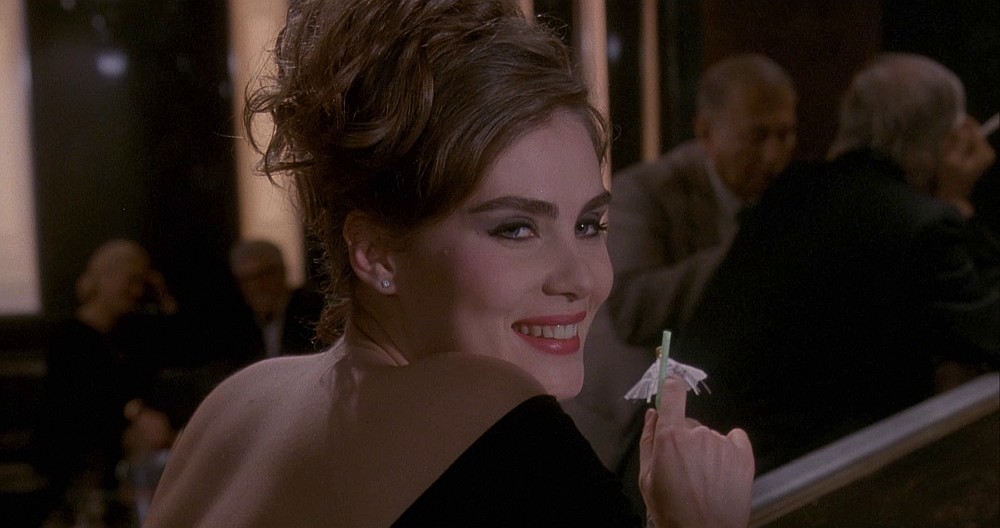
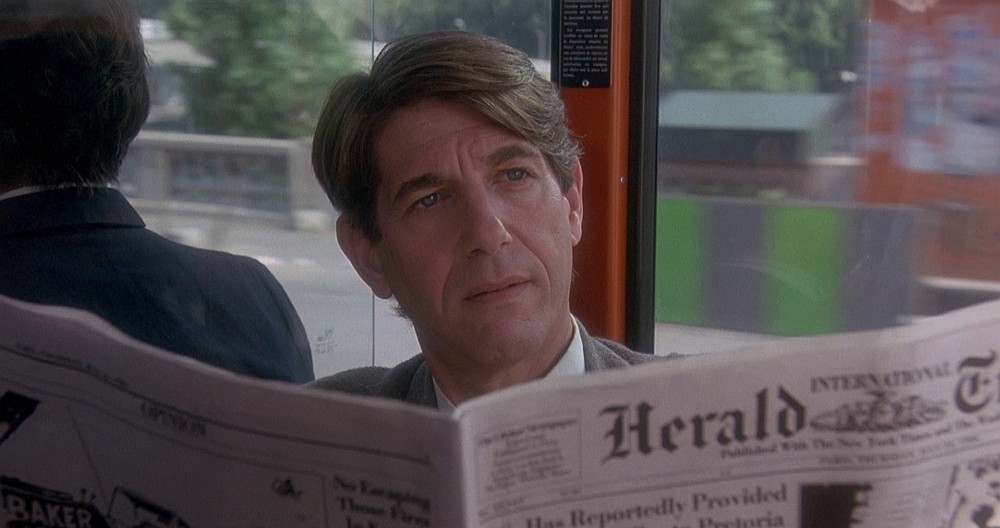
The story begins aboard a cruise ship, where British couple Nigel and Fiona Dobson (Hugh Grant and Kristin Scott Thomas) encounter the enigmatic and wheelchair-bound Oscar (Peter Coyote) and his much younger French wife, Mimi (Emmanuelle Seigner). Oscar, a once-successful American screenwriter, is now bitter and paralyzed, while Mimi isvibrant and flirtatious. Intrigued by their unusual dynamic, Nigel and Fiona are drawn into Oscar’s orbit.
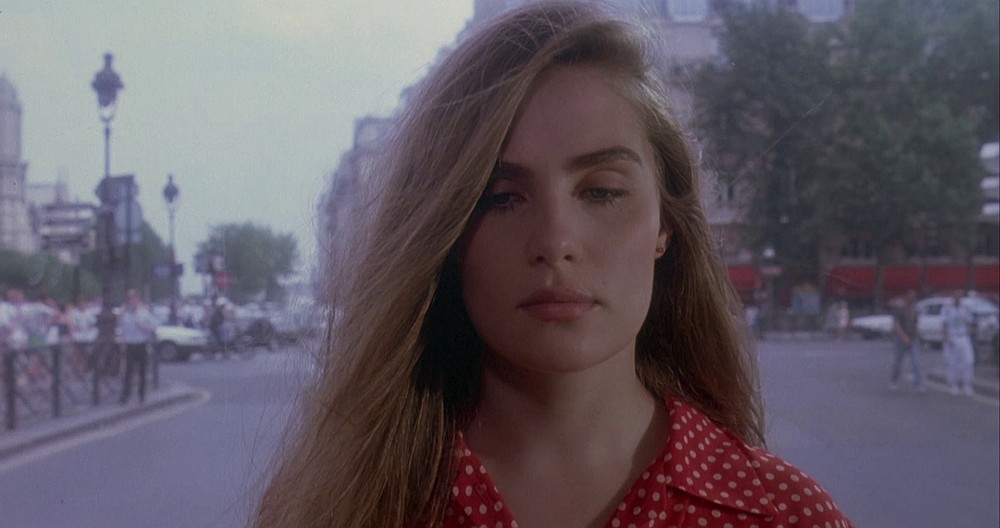
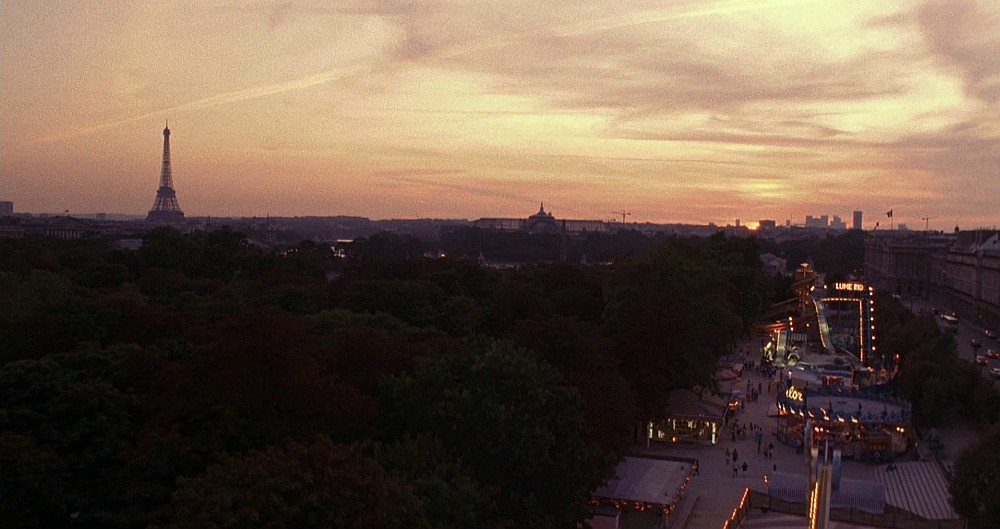
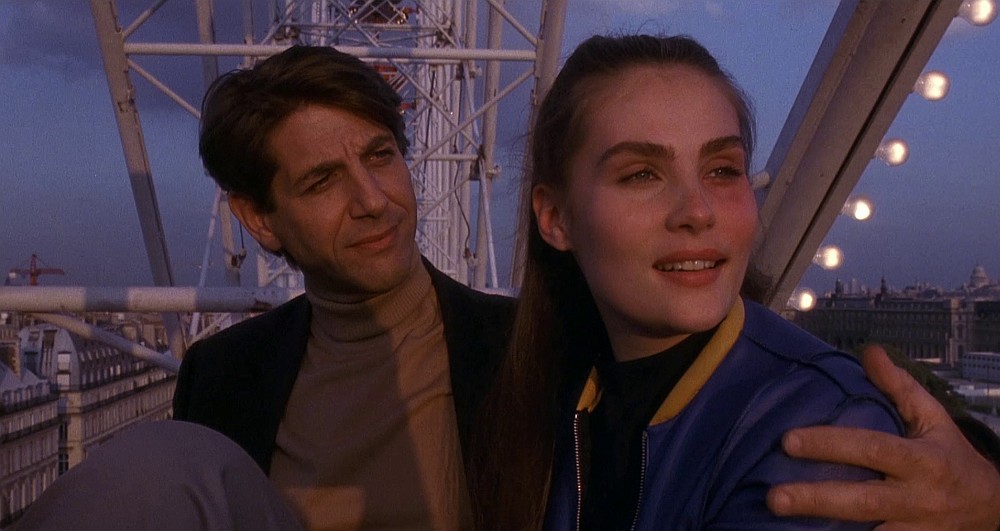
Oscar, sensing Nigel’s curiosity, begins to recount the tumultuous history of his marriage to Mimi. Through a series of flashbacks, the audience learns that Oscar first met Mimi in Paris, where she was working as a waitress. He was immediately captivated by her beauty and youth, and the two began a passionate affair. However, their relationship quickly turned sour as Oscar’s jealousy and possessiveness grew. He became obsessed with controlling Mimi, isolating her from friends and family, and subjecting her to psychological and physical abuse.
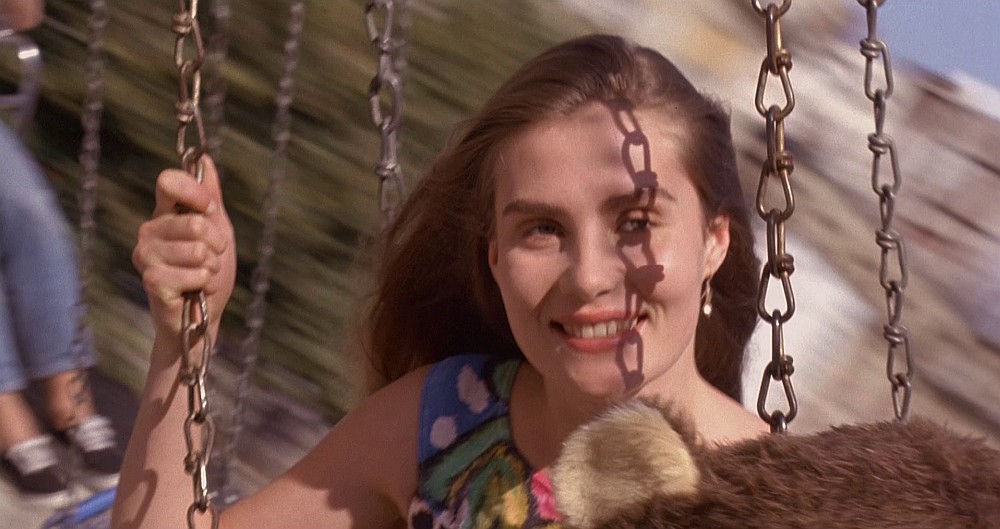
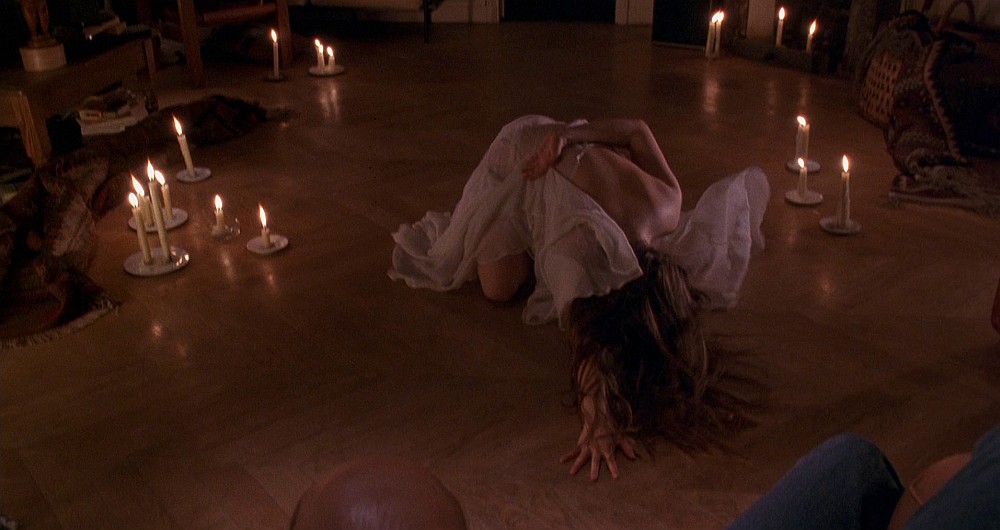
The flashbacks reveal the escalating cycle of love and cruelty between Oscar and Mimi. Oscar’s narration is unreliable, as he often contradicts himself or omits key details, leaving the audience to question the true nature of their relationship. Mimi, for her part, is portrayed as both a victim and a manipulator, using her charm and wit to navigate Oscar’s tyranny.
As the cruise progresses, the present-day story intertwines with Oscar’s recollections. Nigel, initially fascinated by Oscar’s tales, becomes increasingly uncomfortable with the older man’s cynicism and bitterness. Fiona, on the other hand, is both repelled and intrigued by Mimi’s allure. The tension between the characters builds as Oscar’s stories grow darker, culminating in a shocking revelation about the cause of his paralysis.
The film’s climax occurs when Oscar finally discloses the truth: Mimi, in a fit of rage and self-defense, shot him, leaving him paralyzed. Despite this, Oscar and Mimi remain inextricably linked, their relationship a twisted blend of love and hatred. The film ends ambiguously, with the fate of the characters left open to interpretation, but with the clear implication that their destructive cycle is far from over.
Links
Gallery
|
 |
|
|
|
 |
 |
|
 |
 |
 |
|
 |
 |
 |
|
 |
 |
 |
|
 |
|||